
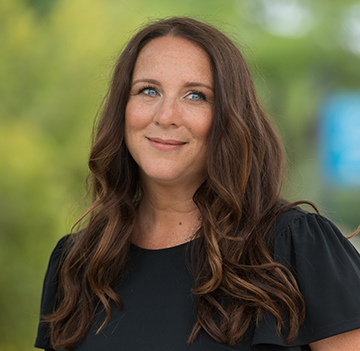
Cathy specializes in health, mental health, and human behavior. She connects with readers in an insightful and engaging way.
Wauconda man turns diagnosis into advocacy, teaching, and motivation
Robert Baittie began experiencing subtle symptoms of Parkinson’s disease in 2009. The Wauconda resident had a loss of smell, periodic stumbles on carpet, spatial imbalance, and prolonged weakness in his left leg and hand during physical activity.
Two and a half years later, physicians diagnosed Baittie with Parkinson’s disease (PD), making him one of the more than 1 million people in the United States and 40,000 Illinois residents living with the disease.
Parkinson’s involves a progressive loss of motor control. It leads to shaking, or tremor, at rest and a lack of facial expression, as well as nonmotor symptoms such as trouble sleeping, loss of smell, and depression.
Despite those symptoms, Baittie says, “I believe the diagnosis changed my life for the better.”
While there is no cure for Parkinson’s, treatment often focuses on managing symptoms with medication, deep brain stimulation, exercise, therapy, and supportive care to maintain quality of life.
“The treatment of PD is often best served via a team approach, with you — the person with PD — at the center and incorporation of your care partner, healthcare provider, therapists, and other healthcare providers who treat specific symptoms of PD,” says Sneha Mantri, MD, chief medical officer of the Parkinson’s Foundation.
Baittie’s treatment regimen initially focused on regular massage and mindfulness training to manage stress-induced symptoms. He eventually took medications, including carbidopa-levodopa and Rytary, which increase dopamine levels in the brain and help manage tremor, rigidity, and slow movement. In March 2025, he underwent deep brain stimulation surgery.
“It was 100% successful. I am currently medicine-free, and my neurologist recently rated me a ‘0’ on the Parkinson’s scale,” Baittie says.
According to Mantri, people looking to undergo deep brain stimulation should consult a movement disorders specialist for a thorough evaluation of symptoms, medications, and health history. She says the treatment may be an option if:
- A specialist has confirmed your Parkinson’s diagnosis
- Your symptom management improves with levodopa medication
- You experience off time or side effects that affect daily life, despite medication adjustments
- You have dystonia(painful cramping) or tremor that don’t improve with medication
- Your mood, mental health, and cognition are steady
- You’ve been approved for general surgery
- Your support network can help with surgery recovery
- You understand DBS’s limits and capabilities
Living a full life with Parkinson’s
Over 14 years of living with Parkinson’s, Baittie has continued to run an advertising and design business.
In 2014, he authored a blog and memoir, Tremors in the Universe, which focuses on mindfulness and living well with Parkinson’s disease.
“I wanted to share my beliefs on facing life challenges with my three children. Writing helped me realize that our self-talk determines whether we build ourselves up or tear ourselves down,” Baittie says.
He is currently working on a second book that he says focuses on healing.
Baittie also became a certified practitioner of shamanism and earned a massage therapy license. He teaches a business and communications class as an adjunct faculty member at the College of Lake County in Grayslake.
Advocating for the Parkinson’s community
Parkinson’s, in many ways, has kept Baittie moving. In 2013, with encouragement from his doctor at the time, Tatyana Simuni, MD, a neurologist at Northwestern Medicine, Baittie got involved with the Parkinson’s Foundation.
That same year, his daughter Amanda encouraged him to organize a team for the Parkinson’s Foundation’s annual Moving Day Walk in Chicago. Baittie listened. Since then, his team, The Martini Shakers, has raised more than $60,000 for research.
Baittie also has delivered motivational speeches at TEDx and the World Parkinson Congress with the message that mindset and community can meaningfully shape the Parkinson’s journey.
“In every situation, no matter how challenging, the possibility for something good to happen always exists,” he says. “That mindset has been crucial to my healing process.”
He aims to heighten awareness that there are options for healing beyond medical treatments.
“Since [Parkinson’s] is often a slow-progressing disease, I want to help others maintain hope during that time,” he says.
Baittie’s wife attends every event. “Probably most importantly, she always insists on attending every doctor’s appointment as a second set of ears and eyes to interpret what the doctor is asking of me and to make sure I follow through,” Baittie says.
He has found helping others “incredibly rewarding,” he says. “Being of service to others and ensuring they know they are not alone is the highest expression of who we can be.”
For information and resources about Parkinson’s disease, visit Parkinson.org or call the foundation’s helpline at 800-4PD-INFO (800-473-4636) for support in English and Spanish.