A freelance journalist and incoming medical student, Aanika Parikh is passionate about storytelling and conveying communities’ lived experiences. In this issue, Aanika explores the value of older adults in society and how different cultures approach elder care. She’s especially interested in health issues and the community impact of public policies.
Older adults contribute far more to their families and communities than society often recognizes

Fact checked by Ros Lederman
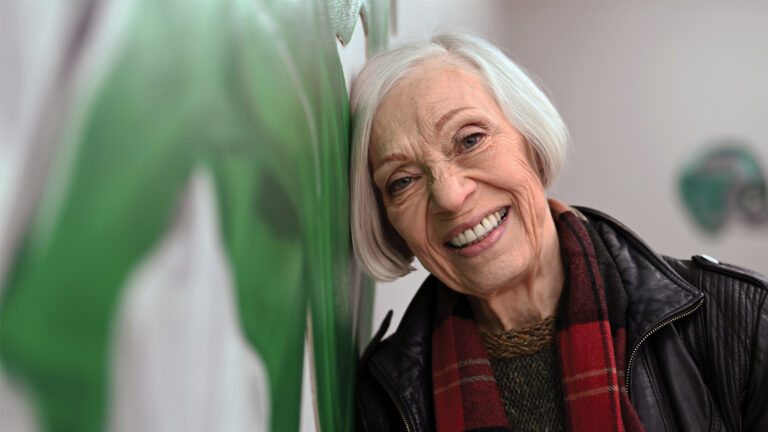
Chicago Sun-Times columnist Mary Mitchell wrote her final column in August 2024, just before retiring. After 34 years with the publication, Mitchell felt she was stepping into the role of “woman of leisure” — one that she had never had time for as a full-time journalist raising a family.
Today, Mitchell says her life as a retiree has involved active community participation. “[Retirees] are able to be involved in our community in ways that we weren’t able to be involved before, because [we] didn’t have time for it [then],” Mitchell says.
In Mitchell’s view, modern-day retirement is becoming a more active chapter of people’s lives.
“My friends who are in their 70s are exercising.
They are doing a whole lot of traveling. They often say that they’re busier now than they’ve ever been, and they’re retired.”
While many older individuals live full, engaged lives, society’s limited awareness of their contributions, coupled with ageist stereotypes, contributes to their devaluation. Studies find that people develop negative stereotypes about aging — such as beliefs that older adults are frail, tired, and sick — early in life.
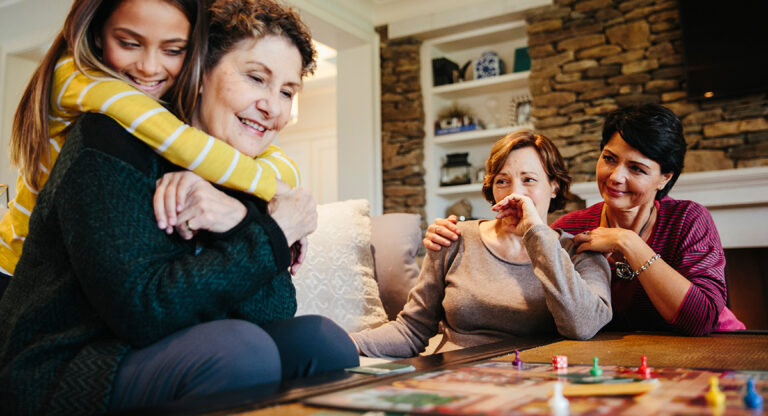
Katya Cruz Madrid, MD, a geriatrician at the University of Illinois at Chicago and Jesse Brown VA Medical Center, says that while some adults face physical limitations with age, many remain active in supporting their families, whether through financial contributions or childcare. Older adults also serve as mentors, pass down cultural traditions and recipes, and provide a connection to the past.
At 77, Mitchell plays an active role in her community through her church, where she serves as a trustee, her nonprofit work, and her mentorship of young journalists. While traditional measures focused on productivity and economic output may not capture these contributions, they still improve lives and strengthen communities.
More than productivity
While people’s roles in society shift with age, the value of their contributions should not. Chicago Innovation, an organization that supports the business community, recognizes this through its Ageless Innovators program.
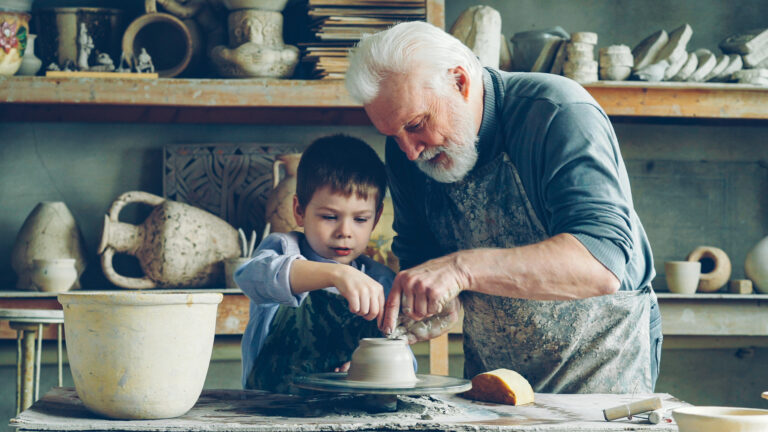
Laura LeClair, director of Mentoring and Inclusion Programs at Chicago Innovation, says the intergenerational program brings older and younger adults together to exchange expertise, provide reciprocal mentoring, and support one another’s goals.
“I’ve been working with someone who has been retired for a long time and had a very storied career,” LeClair says. “All of the different experiences that she’s had have accumulated into something that has been really beneficial to me to learn from.”
Culturally, people often connect their self-worth to their jobs.
“That’s why retiring is really hard for people,” LeClair says. “They want to work longer, not just because life’s expensive. There’s also the want to feel that purpose, that sense of joy, and that sense of value.”
Geriatrician Andrea Bial, MD, worked at the Hines VA Hospital for more than a decade and will begin a new role at Northwestern Palos Hospital this fall. She says, “When you meet someone, you say, ‘What do you do?’ Older adults, if they did work, they will say that, but things change after retirement. Their role in society starts to be devalued by society.”
This issue is particularly important for older adults facing physical limitations associated with aging.
Bial says the “young old” — people ages 65 to 75 — are still able to live active lives. For the “older old” — people older than 75 — physical and mental limitations become more common.
That’s why valuing older people’s lived experiences matters, regardless of what they’re actively contributing at any given time.
Cruz Madrid says, “Their lived experiences provide enormous value based on their wisdom and direction to overcome obstacles they experienced before us. We are somehow here, doing what we are doing, because some people before us have worked hard to overcome a lot of difficulties and obstacles to get us where we are.”
Bial agrees. “I feel so blessed to be a geriatrician, because I get to hear their stories, their regrets, their accomplishments. I feel like we as a country just don’t honor that nearly as much as we should.”
For Mitchell, value comes from the questions she can answer for others and the care she has provided to her family and community — contributions that may not appear on any economic balance sheet but remain deeply meaningful.