Why caregivers need to safeguard their own health when caring for others
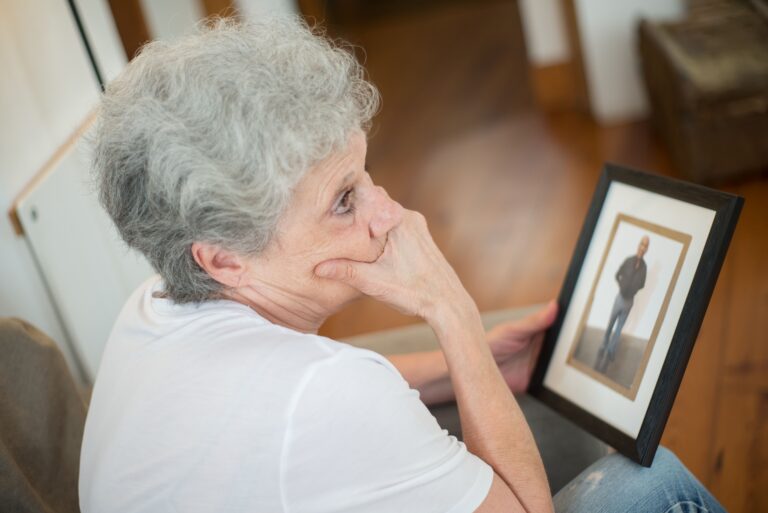
Shortly after singer Dolly Parton’s death in August, the world learned of the country music star’s personal health struggles while caring for her husband Carl Dean, who died in 2025.
In public statements released before and after Parton’s death from cancer, the singer described her own struggles, admitting that she had ignored her own health until it was too late.
In a video posted to her YouTube channel in October of last year, Parton addressed fans who were concerned about her health after she had to cancel performances. “Back when my husband Carl was very sick, that was for a long time, and then when he passed, I didn’t take care of myself. I let a lot of things go that I should’ve been taking care of,” she said.
Parton died this past August of cancer. “Anyway, when I got around to it, the doctor said, ‘We need to take care of this; we need to take care of that,’” Parton said in her video. “Nothing major, but I did have to cancel some things so I could be closer to home, closer to Vanderbilt, where I’m kind of having a few treatments here and there.”
From that video, the public speculated about the type of treatments Parton was undergoing and how she might have neglected her own health. Did she miss primary care appointments, cancer screenings? Parton’s experience reflects a long-established concern about caregiving: Many caregivers are quietly battling — or neglecting — their own health issues, even while caring for sick or disabled loved ones.
According to a report from the AARP and the National Alliance for Caregiving, about 1 in 4 family caregivers report being in fair or poor health, a 45% increase from 2015. That same percentage also report that caregiving makes it difficult to care for their own health.
Chicago has about 520,000 adults age 60 or older, all of whom may eventually need some form of care. That care may come from someone in their family who is also older and in less than perfect health.
“The problem of caregivers suffering from personal health problems is unfortunately more common than we would like to admit,” says Renee Kroplewski, social worker and administrative director of SHARE, a community outreach health and education program at the University of Chicago. “One tends to think of family caregivers as adult children. But there are also many elderly people who are caregivers,” Kroplewski says.
Caregivers are husbands, wives, friends, neighbors, and other relatives. Many come to the role with their own chronic health problems. Their commitment can seem selfless, but experts say the reality is more complicated. At its heart is often overwhelming feelings of duty and obligation.
“There are factors of personal loyalty and cultural bonds that attach to the caregiver’s responsibility,” Kroplewski says. In the case of adult children, there’s the feeling of “my parents gave up everything for me. It’s my turn to ensure that I’ve given that back,” regardless of their own disability or medical conditions, she adds.
Caregivers also might fear failure or bothering others. “Caregivers often believe that they should cope on their own, and if they cannot, it can be accompanied by feelings of guilt and fear of failure. There are multiple reasons why caregivers may feel this way, including cultural and societal beliefs and external or system level obstacles,” says geriatrician Magdalena Bednarczyk, MD, division chief of geriatric medicine and palliative care at Rush University Medical Center. “And if they cannot, [to them] it means that they’re failing.”
Many of these beliefs spring from societal and cultural expectations, which can be hard to overcome, Bednarczyk says. “I tell the caregiver, if [you] aren’t healthy, ultimately your care recipient’s own health is going to be negatively impacted as well.”
She points to the analogy of the oxygen mask on airplanes. “In an emergency, they always tell you to place your own mask over your face first.”
Preexisting medical conditions may not be the caregiver’s only health concern. Caregiving’s responsibilities can take an extra toll on someone who already has generally poor health or chronic mental health conditions.
Nece Pinkney is a social worker with Caring for Caregivers, a counseling program at Rush University Medical Center. She says the demands of caregiving can exacerbate existing health problems. The individual may forget or postpone taking medication, miss medical appointments, or neglect personal hygiene.
“The result is a domino effect,” Pinkney says. “Other problems begin to happen mentally and physically.”
Hit the brakes before stress, fatigue, and anxiety become overwhelming, Bednarczyk says. “If a caregiver fails to address their own medical needs, they risk worsening their own health; developing fatigue, insomnia, weight gain or weight loss, depression, and anxiety; and exacerbating their own underlying medical issues or new medical problems.”
Professionals say there are steps caregivers can take to protect their own health. These include:
- Taking regular breaks during the day
- Making time to reflect on and attend to your own health
- Postponing household duties that can wait
- Asking a close friend or trusted family member to fill in for a few hours
- Leaving the home to run errands or do something enjoyable
- Meeting a friend or acquaintance for coffee or a meal
- Investigating local caregiver respite programs
- Considering professional counseling
- Educating yourself about your loved one’s condition, whether it’s dementia, cancer, or an autoimmune disorder, as well as your own health conditions.
The goal is to free yourself from your duties enough to attend to your own medical needs, Bednarczyk says. Above all, find ways to reduce the isolation that can accompany caregiving. If you can’t, professional counseling may help.
Caregiver counseling and support programs can provide a place to talk openly about the emotional and physical demands of caregiving, develop strategies for managing stress, and connect with additional resources. Respite programs give caregivers temporary relief from their responsibilities, allowing them time to attend their own medical appointments, run errands, or simply rest.
Ultimately, Bednarczyk says, “the goal isn’t to be a perfect caregiver. It’s to create a situation in which the caregiver’s own personal needs matter as much as the person being cared for.”
Dolly Parton and her husband kept their marriage extremely private. They stayed together for six decades, and when Dean died, Parton described their love as something that the songwriter herself couldn’t put into words. She cared for her husband at the cost of her own health, but she leaves an enduring lesson for others caring for loved ones.
Where to find help:
SHARE Network
University of Chicago Medicine
Chicago, Illinois
(708) 829-6958
sharenetworkchicago.org
Blue Moon Senior Counseling
Plainfield, Illinois
(630) 896-7160
bluemoonseniorcounseling.com
OakHeart Center for Counseling, Mediation and Consultation
North Aurora and Sycamore, Illinois
(630) 570-0050
OH@OakHeartCenter.com
oakheartcenter.com
Cornerstone Counseling Center of Chicago
Chicago, Illinois
(773) 572-9578
cccoc@chicagocounseling.org
chicagocounseling.org