
Benjamin Cameron Davis Jr. is a Chicago-based writer working at the intersection of literary fiction, narrative medicine, and healthcare communication. His fiction explores memory loss, aging, caregiving, and the quiet bonds that hold families together across generations. Read more
A fictional glimpse at caregiving’s little moments
In The Quiet Songs of Remembrance, Chicago writer Benjamin Cameron Davis Jr. explores caregiving, memory loss, and the quiet bonds that hold families together. Below is an excerpt from Davis’ debut collection.
Davis has been working with Arlington Heights Memorial Library in Arlington Heights, Illinois, on a narrative reflection program built around selected stories from The Quiet Songs of Remembrance. The pilot program will be part of the library’s senior and accessible services programming. “Peekaboo, Mama” is one of the stories included in the pilot.
Peekaboo, Mama
By Benjamin Cameron Davis Jr.
I left before she woke up.
The caregiver would be there at one. That gave me a few hours where I didn’t have to think about it.
At the office, someone brought in donuts. I took one and left it on my desk. By noon it had gone stale. I threw it away.
Around two, my phone buzzed.
She’s resting now. We had a good morning.
I stared at the message for a second, then set the phone face down.
At four, it buzzed again.
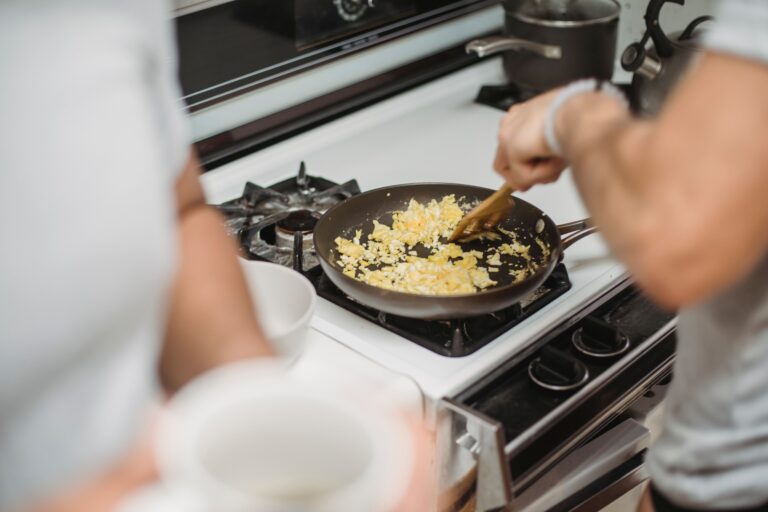
I tried the eggs. I’m sorry. I burned them again.
I didn’t answer.
When I got home, the front door was unlocked.
I stepped inside and set my bag on the chair.
“Hi,” I called.
The caregiver came out from the kitchen, wiping her hands on a towel.
“Hi,” she said. “She’s in her room. We had a quiet afternoon.”
I nodded.
“Did she eat?”
She hesitated. “A little.”
I looked past her toward the stove. A pan sat in the sink, dark along the edges.
The hesitation was the answer.
“It’s okay. I’ll make something.”
“I can stay. Help you.”
“No. You’ve done enough.”
She stood there a second longer, then nodded. “Alright. I’ll see you tomorrow.”
“Tomorrow.”
My mother was sitting on the bed when I walked in, the blanket folded over her legs.
“You’re home.”
“I’m home.”
She looked at me like she was trying to place something.
“You look tired.”
“I’m fine.”
She nodded, like that made sense.
“Did you eat?”
“I had something.”
“What did you have?”
She smiled. “I don’t remember.”
In the kitchen, I filled a pot with water and set it on the stove.
I stood there longer than I meant to, watching the burner glow.
I tried to think of what I used to make when it was just me.
Something simple.
Something that didn’t take much.
The water started to move. I reached for the pasta.
I ate standing up.
The chair was right there, but I didn’t sit.
From the other room, the television was too loud.
“Mama,” I called. “Turn it down.”
Nothing.
I walked in and lowered it myself. She looked at me, then at the remote in her hand.
“I didn’t know how.”
“It’s okay,” I said.
The next day felt the same.
Then the day after that.
Work. Messages. Home. Kitchen.
At three, my phone buzzed.
She asked about you today.
I didn’t answer that one either.
I knew what she was asking. I just didn’t know what to do with it yet.
On Friday, I stayed late.
There was nothing I needed to finish. I just didn’t leave.
By the time I got home, it was already dark.
The light in the kitchen was on.
I stood in the doorway for a second before stepping inside.
It smelled different.
Not burned.
Something else.
The caregiver was still there.
“I know it’s late,” she said. “She insisted.”
“It’s fine,” I said.
My mother was standing at the stove, one hand resting on the counter. The other hovered just above the pan, like she wasn’t sure what came next.
She had named the dish when she woke up that morning, the caregiver told me. She hadn’t forgotten it.
“She told me what to do,” the caregiver said.
My mother looked at me.
“You like this.”
I stepped closer.
The words came out before I meant them.
“You shouldn’t be up.”
“I’m fine,” she said.
Her voice was steady in a way I hadn’t heard in a while.
The caregiver handed me a plate.
“It might not be exactly right.”
“That’s okay,” I said.
We sat at the table.
I don’t remember the last time we did that.
The caregiver sat down.
My mother watched me take a bite.
“Well?” she asked.
Overcooked. Too much salt. The edges darker than they should have been.
“It’s good.”
She smiled, then looked down at her plate like she had forgotten it was hers.
After a few minutes, she reached across the table and touched my hand.
“You work a lot.”
I didn’t say anything.
“I see you,” she said.
My mother squeezed my hand once, then let go.
Later, after they were both asleep, I stood at the sink.
The dishes were done.
The counters were clean.
For once, there was nothing waiting for me.
I dried my hands and leaned against the counter.
The house was quiet.
I stayed there a moment longer than I meant to.
She’d duck behind the kitchen door or cover her face with a dish towel.
“Where’s my girl?” she’d say.
I would wait until she pulled her hands away.
“I see you.”
But tonight, she had looked back.
I turned off the light.