
My wife recently went mattress hunting and came back with a giggle. “Did you know,” she said, “there are now mattresses that can detect snoring?” When the mattress picks up the noise, it lifts the head section to stop the puffing and snorting.
Technology both terrifies and intrigues me. Innovations are inevitable, as is our adaptation. Remember the uproar when television first arrived in our homes? We were warned that staring at a screen would render us idiots. “Six feet from the screen!” was the rule in my house. Now we’re glued to multiple screens — usually less than a foot from our faces.
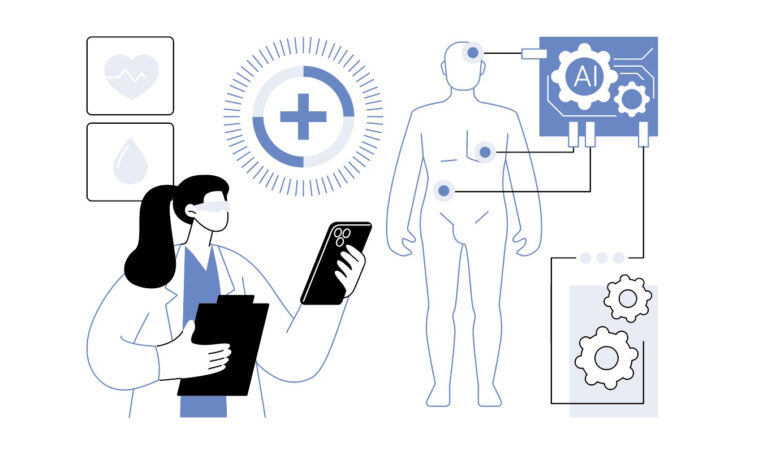
I am not in the tech-know, but I am gathering experiences that spark my curiosity and shape my questions about the role of technology in older adult care.
Recently, my 88-year-old mother-in-law had her blood drawn at Rush Medical Center. Not an easy task. Her veins are elusive. Fortunately, the patient care technician didn’t poke blindly. He pulled out a special light that illuminated the most accessible veins. One quick look. One painless poke. No extra sticks, no frustration.
We also bought a fall detection necklace for my 96-year-old father. Several times, firefighters entered his apartment in the middle of the night after he accidentally hit the alert button in his sleep. But when he actually fell, the necklace didn’t detect it.
Years ago, my wife and I offered good friends — then in their 80s — an AI-controlled pet for comfort and companionship. The husband scoffed and walked away. The wife flipped through the catalog and chose a dog, though she never received it. We tried again years later, sending the stuffed dog to their daughters. Who ended up with the AI pup? Their father, now with dementia, for his 92nd birthday. And he adores it!
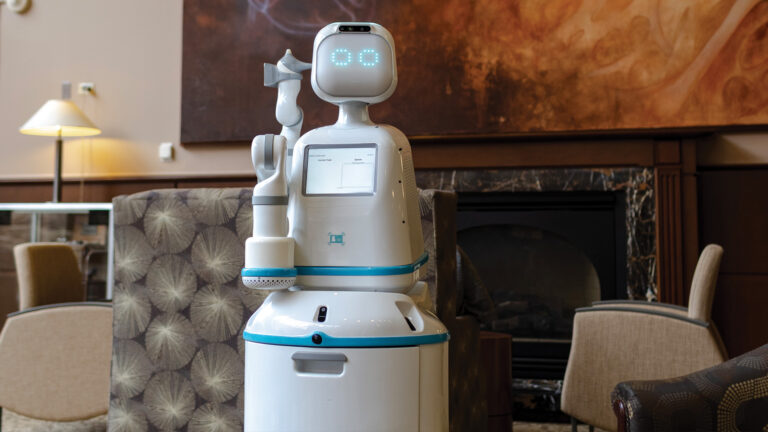
In this issue, you’ll read about new technologies already shaping aging and caregiving — ideally helping, not hindering, the journey. But who will have access to these tools? Whose lives will they change?
As with much in healthcare, it comes down to privilege. Let’s make equity — in aging, caregiving, and every corner of health — a true priority in 2026. Now, where’s the robot for that? It’s overdue.
Cheers,
Louis A. Weiss
publisher
publisher@chicagohealthonline.com